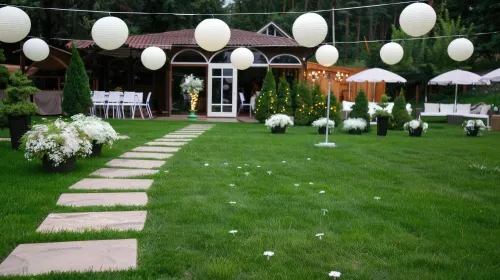

Start cleanup before vehicles, waste carts and vendors cross a wet lawn. By following a documented sequence—photographing damage, removing hazards, sorting waste, treating stains and restoring compacted turf—you can hand back the ground safely and identify repairs before the next booking.
Key takeaways
- Stop vehicles and carts before wet soil develops ruts.
- Separate glass, food waste and recyclables before removing materials.
- Treat spills, holes, broken turf and equipment marks as separate repairs.
- Record lawn condition, recovery work and final responsibility in writing.
Freeze movement, inspect the ground and record the handover
Stop all movement as soon as the last guest leaves. For care after a party on an outdoor lawn in Ghodbunder Road, decide whether the soil is wet enough to rut before allowing cars, generators, forklifts or waste carts across it.
Saturated turf shears under wheels and leaves tracks that cost more to repair than scattered litter.
1. Keep vendors, staff and vehicles in place until one person leads the inspection. If the ground is soft, postpone driving or lay temporary ground-protection mats; do not rely on tyres to “make only one pass.”
2. Walk the site in daylight with gloves, a torch and a phone. Photograph the lawn, service access, washrooms, food-service area, stage footprint, electrical points and parking before anyone shifts furniture or waste.
3. Mark each hazard without disturbing it: broken sprinklers, open pits, cable covers, glass, trip points, stained turf, exposed roots, tent stakes and blocked drains. Add a location note to every photograph.
4. Record the time, weather, ground condition and visible damage in a handover sheet. Name the person accepting responsibility and list restrictions, such as “no vehicle access on west lawn.”
5. Schedule a next-day inspection, then recheck after the first significant rain. Wilt, fungal symptoms, subsidence around tent stakes and blocked drains can appear after the night teardown.
Only after this record is complete should the crew begin removing equipment or separating waste.
Remove event materials and separate waste without harming turf
Clear temporary infrastructure before raking or washing the lawn. Remove dance floors, carpets and plastic sheets promptly because they trap heat and moisture against living grass. Carry tables and chairs across firm paths; never drag them over turf, and pull tent pegs straight up after checking nobody is working beneath the frame.
Use this order for an outdoor party venue cleanup:
- Keep vehicles, generators and heavy waste carts off saturated turf. Use ground-protection mats or postpone movement until the soil firms up; wet ground ruts and shears under wheels.
- Dismantle signage, cable ramps, ballast and electrical equipment, then inspect the exposed ground for glass, loose wire, pegs and damaged sprinklers.
- Scoop food scraps and solid residue before using water. Absorb sugary drinks, oil and vomit with an appropriate material, then use the minimum turf-safe cleaner needed.
- Collect confetti, flower petals, balloons, ribbons, candle wax and disposable tableware by hand or with a suitable rake. Keep litter away from grates and drain inlets.
Place waste at collection in labelled containers for wet food waste, dry non-recyclables, recyclable containers, glass, sanitary waste, sharps and contaminated catering material. Use the venue’s authorised waste arrangement, as the Solid Waste Management Rules, 2016 require source segregation.
Wear cut-resistant gloves and closed footwear; use tongs for glass or needles, and never compress bags by hand. Do not hose grease or loose litter toward storm drains.
Treat spills, glass, holes and equipment damage by type
Do not hose the lawn and hope the damage disappears. Outdoor venue after party care starts with identifying what spilled, what broke and what entered the soil, because water can spread oil, dissolve chemicals into the root zone and drive glass into wet turf.
Match the response to the damage:
- Sugary drinks, food and coloured liquids: blot with absorbent material, lift solids with a scraper and rinse the smallest possible area after the spill is removed. Record any persistent brown or bleached patch.
- Candle wax: let it harden, lift it with a blunt scraper and collect every fragment. Do not melt it into the grass with hot water.
- Oil, diesel, paint or cleaning chemical: cordon off the patch, photograph it and remove contaminated soil through the venue’s approved maintenance process. Extra irrigation spreads the pollutant.
- Glass, skewers and other sharps: wear cut-resistant gloves, use tongs and place the debris in a rigid, labelled sharps container. Never rake or grab blindly through turf.
- Holes from tent pegs or stakes: remove loose debris, fill and level small holes with matching soil. Keep larger voids closed until the ground is repaired.
- Ruts, exposed roots or dead grass beneath generators: stop vehicle and equipment access, photograph the area and request soil repair or turf replacement rather than more watering.
Photograph damaged sprinklers, cable covers and electrical equipment separately. Isolate electrical faults and let a qualified technician handle them; do not move damaged equipment across the lawn.
Restore compacted grass and choose the right watering time
Let the soil, not flattened blades, decide the next step. Remove dance floors, carpets, plastic sheets, furniture and ballast before inspecting; trapped heat and moisture can hide damage. Press a heel into the ground: if it leaves a deep impression or soil sticks to it, stop vehicles and watering until the surface firms up.
| Treatment | What you see | What to do |
|---|---|---|
| Recovery period | Blades are flattened, green and rooted; no ruts or bare soil | Keep traffic off for 24–48 hours, then mow only when dry enough to avoid wheel marks |
| Drying | Shallow footprints, glossy wet soil or water collecting after rain | Let the surface drain naturally; do not add irrigation or run carts across it |
| Core aeration | Firm, dense soil with thin grass but no deep ruts | Aerate when soil is moist, not muddy, so plugs lift cleanly and roots receive air |
| Levelling | Wheel tracks, sunken tent-stake areas or raised soil | Loosen, fill and rake the damaged ground; reseed after the surface is even |
| Reseeding or replacement | Exposed roots, dead patches beneath generators, or fuel, oil, paint or chemical contamination | Remove contaminated soil and replace turf or seed with compatible grass; watering alone will not repair it |
For lawn care after an event, water in the early morning after the soil passes the heel test. Apply enough to moisten the root zone, not enough to create runoff, and avoid late-night watering that leaves foliage wet for hours.
Use this party lawn recovery Thane check again the next day and after the first significant rain. Record new settling, puddles or fungal growth before the next booking.
Complete the next-day check and agree on final responsibility
Return for a daylight inspection the next day, after temporary items are removed and the ground has had time to dry. Night-time teardown can miss wilt, fungal symptoms, subsidence around tent stakes and blocked drains.
1. Walk the lawn, service access, food-service area, stage footprint, electrical points and parking. Photograph new ruts, exposed roots, dead patches beneath generators, broken sprinklers, open pits, cable covers, glass and trip hazards.
2. Check turf recovery by cause. Flattened grass can recover with time and appropriate mowing, but fuel, oil, paint or cleaning-chemical contamination, deep ruts and dead turf require soil repair or turf replacement—not extra watering. Record each repair and its location.
3. Reinspect after the first significant rain, especially low-lying or sloped sections along Ghodbunder Road. Look for standing water, soil movement, drain blockage and fresh subsidence; rain can reveal failures hidden during the dry inspection.
4. Before leaving, have the venue representative sign a written handover listing the lawn condition, photographs, unresolved damage, responsible party, repair method and deadline. Confirm who pays for replacement turf, irrigation repairs, waste removal and vendor-caused damage.
At Welcome Lawns & Banquet, Ghodbunder Road Thane, use the same signed checklist for organiser, caterer and rental vendors. Keep the final record with the booking file so the next party does not inherit an undocumented problem. This is practical outdoor venue after party care and a usable party lawn recovery in Thane.
Related items
Venue Rental Lawn Rental Service ₹200600 Lawn Rental service for Events such as Weddings, Pre Weddings, Social Events, Birthday Parties etc. |
Open Outdoor Lawn Rental Service Open Outdoor Lawn Rental Service Lawn Rental service for Events such as Weddings, Pre Weddings, Social Events, Birthday Parties etc. |
Frequently asked questions
When should movement stop on an outdoor lawn after a party?
Stop movement as soon as the last guest leaves. Check whether the soil is wet enough to rut before allowing cars, generators, forklifts or waste carts across the lawn.
How should event materials and waste be removed without damaging turf?
Lift chairs, stages, cables and decorations instead of dragging them. Separate glass, food waste, recyclables and general waste, then use a route that avoids wet or compacted grass.
How should common lawn damage after an event be treated?
Match the response to the damage: remove glass carefully, blot and rinse spills, fill small holes with soil, reseed bare patches, and document equipment damage before repair.
What should the next-day lawn check and handover record include?
Inspect for ruts, compacted soil, standing water, litter, stains, holes and damaged equipment. Record photographs, completed repairs, remaining work and the person responsible for final recovery.
Keywords